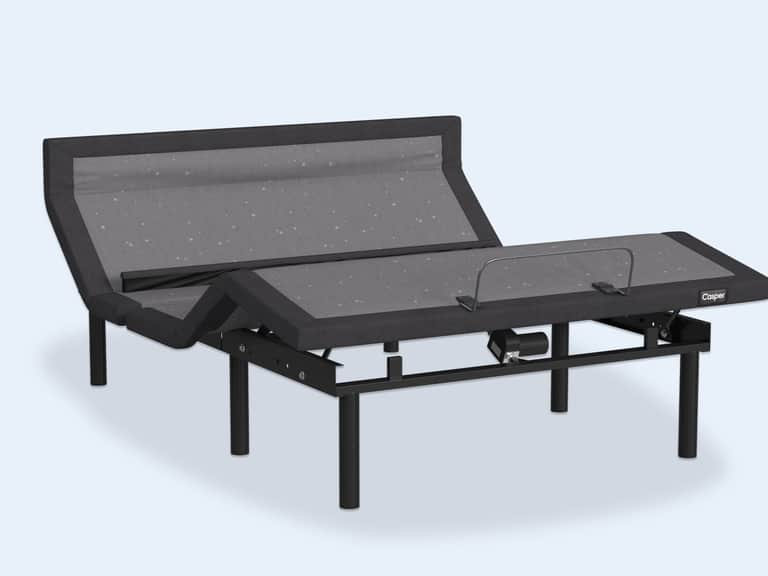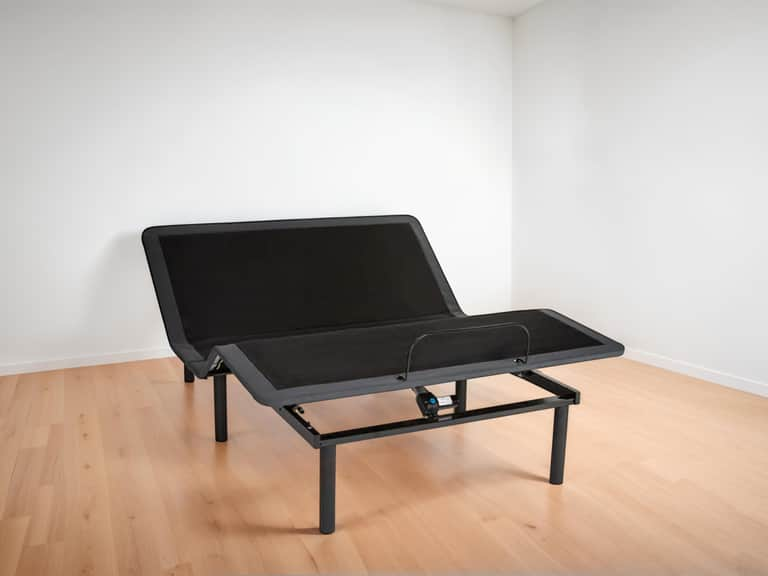
The Clean Bedroom Level 1 Adjustable Bed Base

A Practical Guide to Choosing an Adjustable Base: Firmness, Tilt, and Long-Term Comfort

In the hush of a bedroom that feels like a couture atelier for rest, the adjustable base emerges as the quiet heroine of sleep. This guide expands on the nuances of firmness, tilt, compatibility, and durability, weaving in the voices of iconic thinkers across eras to illuminate how intention, science, and design converge in the modern sleep system. Whether you’re redecorating a sanctuary or shopping with a careful eye, this primer will help you select a base that sustains comfort through seasons and years.

The topic sits at the intersection of sleep ergonomics, material science, and user experience. We’ll explore core features such as head and foot articulation, zero-gravity presets, massage options, and lighting, while also equipping you with a practical compatibility checklist for pairing an adjustable base with your existing mattress. We’ll wrap with a buyer’s decision framework that compares firmness levels, tilt ranges, and presets across popular brands, infused with actionable tips for at-home testing and long-term durability.

Key Features at a Glance

  • Head and Foot Articulation: dynamic elevation to align spine, relieve pressure points, and facilitate natural sleep postures.
  • Zero-Gravity Presets: curated angles that mimic weightlessness, reducing stress on the lumbar region.
  • Massage and Presets: built-in relaxation modes and programmable memory positions for quick comfort.
  • Platform Compatibility: ensuring the base fits into or atop your existing frame with safe weight limits.
  • Durability and Warranty: materials, build quality, and coverage that protect your investment over time.

How to Think About Firmness and Support

Firmness on an adjustable base interacts with your mattress to shape pressure distribution and spinal alignment. A base that allows precise head/foot tilt and adjustable lumbar support can enhance posture in ways that foam, coils, or hybrids alone cannot. Your goal is to harmonize the base with your mattress type, your body weight, and your preferred sleep position.

Consider firmness not as a single label, but as a spectrum that can be tailored day by day. The right combination—firm support at the core with gentle contouring at the shoulders and hips—delivers durable comfort across different seasonal changes in temperature, humidity, and personal comfort thresholds.

Compatibility Checklist: Pairing with Your Mattress

  • Mattress Type: Coil vs foam vs hybrid—understand how your mattress matures with articulation and edge support.
  • Height and Weight: ensure proper clearance and lift capacity; check the load limits and stability under your body weight.
  • Warranty Implications: verify terms when combining with your current mattress; some manufacturers restrict coverage if props are altered.
  • Locking and Stability: look for safety features that prevent unintended movement, especially on larger sizes.
  • Interface with Bed Frame: platform compatibility, rail clearance, and whether the base can drop into an existing frame or needs a new foundation.

Test It at Home: Practical, Non-Promotional Tips

Many brands offer trial periods; take advantage of them. Start by testing a few targeted positions: a flat baseline, a slight head elevation for reading, and a gentle foot raise to evaluate hip comfort. Use a partner to compare sleep positions and perceived spinal alignment across presets. Bring your own pillow and sheet setup to mimic your typical night and to avoid bias from unfamiliar textures.

Measure your room clearance and ensure the remote’s range and user interface are intuitive for nightly use. Note how noises, vibrations, and zero-gravity presets feel over an extended period. Real durability emerges not in a brief test but through weeks of daily use.

A Buyer’s Decision Framework: Firmness, Tilt, and Brand Signals

When evaluating adjustable bases, you’ll want to assess three core axes: firmness and support range, tilt and articulation capabilities, and the presets that best map to your routines. Readers should compare brands on similar scales: tilt range (degrees of elevation), zero-gravity presets depth, lumbar support adjustments, and the optical or tactile feedback from the remote.

Consider brands like Naturepedic, Vispring, and Malouf as exemplars for testing: Naturepedic emphasizes organic materials and clean ventilation, Vispring is renowned for traditional craftsmanship and supportive constructions, and Malouf is known for ergonomic refinements and accessible feature sets. A practical approach is to create a grid that profiles each brand’s key specs side by side, focusing on the elements that matter most to your sleep posture.

The Role of Technology and Aesthetic in the Modern Sleep Space

The modern adjustable base is as much a design object as a functional platform. A calm, neutral palette with soft metallic accents, integrated lighting for nighttime navigation, and subdued upholstery contribute to a bedroom that feels luxurious and calming. The aesthetic matters because a well-curated space invites restorative rituals, and a thoughtfully designed base becomes a center of quiet confidence in your routine.

In this Vogue-inspired moment, the base is not merely furniture—it is a statement of self-care, a ritual tool that makes daily rest feel like a curated experience. The aim is to fuse comfort, capability, and elegance into a single, enduring piece.

Three Key Figures Across Time That Shape How We Think About Rest

Hypnos (Ancient Greece)

The mythic personification of sleep—Hypnos reminds us that rest is both elemental and ceremonial. In contemplating the art of waking refreshed, Hypnos embodies the timeless belief that sleep is a crafted practice, not a passive state.

Florence Nightingale (19th century)

A pioneer of modern healthcare design, Nightingale’s emphasis on environment, cleanliness, and order informs the sleeping space as a healing, restorative chamber. Her influence echoes in how we design calm, hygienic, ergonomically sound sleep sanctuaries.

Nassim Nicholas Taleb (21st century)

A modern thinker on uncertainty and systems, Taleb’s ideas invite us to design sleep environments that are robust and resilient—the adjustable base as a tool to adapt to changing bodies, routines, and contexts.

While these figures span eras and disciplines, they converge on a shared insight: rest is a crafted system, influenced by environment, design, and adaptability.

Product Spotlight: The Clean Bedroom Level 1 Adjustable Bed Base

Among the contemporary offerings, The Clean Bedroom Level 1 Adjustable Bed Base exemplifies how adjustable mechanics can translate into intuitive, everyday comfort. With seven customizable head and foot height settings and independent adjustments, this base elevates sleep posture and circulation while accommodating a night-time routine—whether you’re catching up on a book, watching a show, or drifting into slumber.

  • Weight capacity up to 750 pounds, suitable for diverse body types
  • Independent head and foot lift for precise alignment
  • Platform-and-pedestal friendly to fit into varied bed frames
  • Wireless remote with presets for quick comfort
Balance-1.jpeg (Product visual)

Product URL: /products/the-clean-bedroom-level-1-adjustable-bed-base-1219

Curation Notes: Maintenance, Safety, and Longevity

To preserve the integrity and performance of your adjustable base, schedule regular checks—listen for unusual sounds, inspect joint areas for looseness, and ensure remote control batteries are fresh. Follow manufacturer guidelines for weight limits, installation, and warranty coverage. Periodic recalibration and proper use of presets promote long-term comfort and reliability.

The goal is a long-lasting, reliable sleep platform that remains both functionally robust and aesthetically serene. Your bed becomes not only a place to rest but a sanctuary that elevates every moment of your day, from morning wake-ups to late-night escape rituals.

If you’d like, I can tailor a 12–16 article content plan focused on Direction B — Comprehensive buyer’s-resource — to help you structure a full editorial calendar for Adjustable Mattress and Base resources.


This article is written in a Vogue-inspired voice: polished, insightful, and crafted to celebrate the art and science of sleep ergonomics without overt promotion.

Glossary and Quick Reference

Adjustable base terms you’ll encounter:

  • articulation : movement of the head and foot sections for posture and pressure distribution.
  • zero-gravity : preset that reduces pressure on the spine and improves circulation.
  • lumbar support : targeted lower-back adjustment to align with natural curves.
  • compatibility : how the base works with existing mattresses, frames, and bed components.
  • durability : long-term performance, material quality, and warranty coverage.

Related Products

The Clean Bedroom Level 1 Adjustable Bed Base

The Clean Bedroom · No. CUSB

The Clean Bedroom Level 1 Adjustable Bed Base

Transform your sleep with seven presets and adjustable legs for perfect alignment, improved circulation, and effortless reading or rest—comfort tailored to you, every night, at a great price.
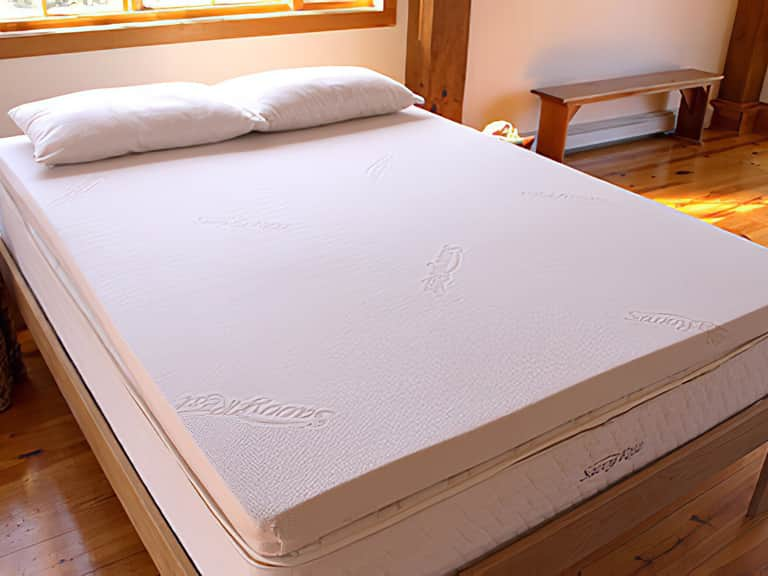
Savvy Rest Vitality Latex Mattress Topper

Savvy Rest · No. SAVVYREST-VITALITY-TOPPER-3INCH

Savvy Rest Vitality Latex Mattress Topper

Sink into soft, breathable latex comfort that hugs your curves without chemicals—adds cozy cushioning and pressure relief, converting a firm mattress into a cloudlike bed with lasting support.
Adjustable Base Max

Casper

Adjustable Base Max

Experience personalized comfort with effortless head/foot tweaks, lumbar presets, a soothing three-level massage, and adaptive lighting that guides you to a smooth morning routine.

Theme